Latest Research
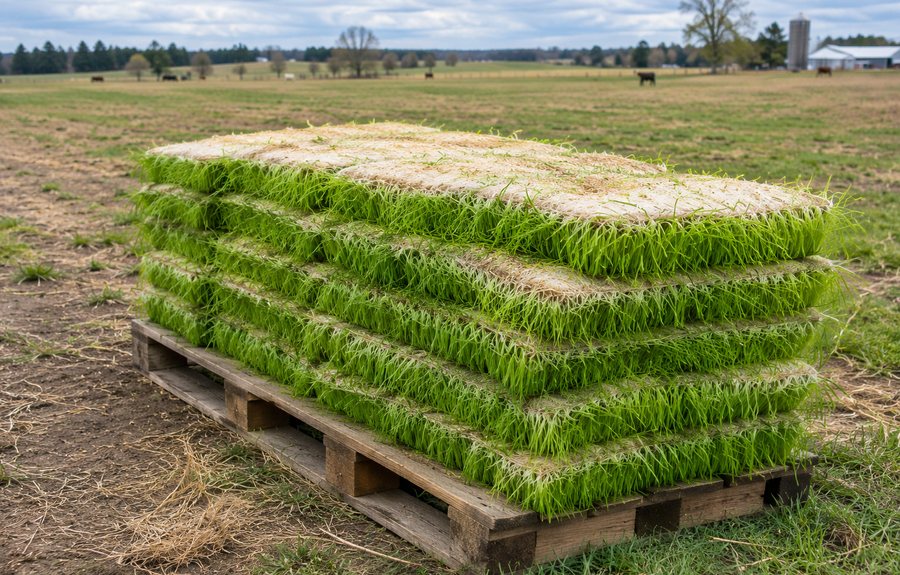
Some grass-fed programs permit sprouted fodder under strict conditions. Others prohibit it. What U.S. and Canadian producers should confirm before changing a certified herd’s ration.
Read the Article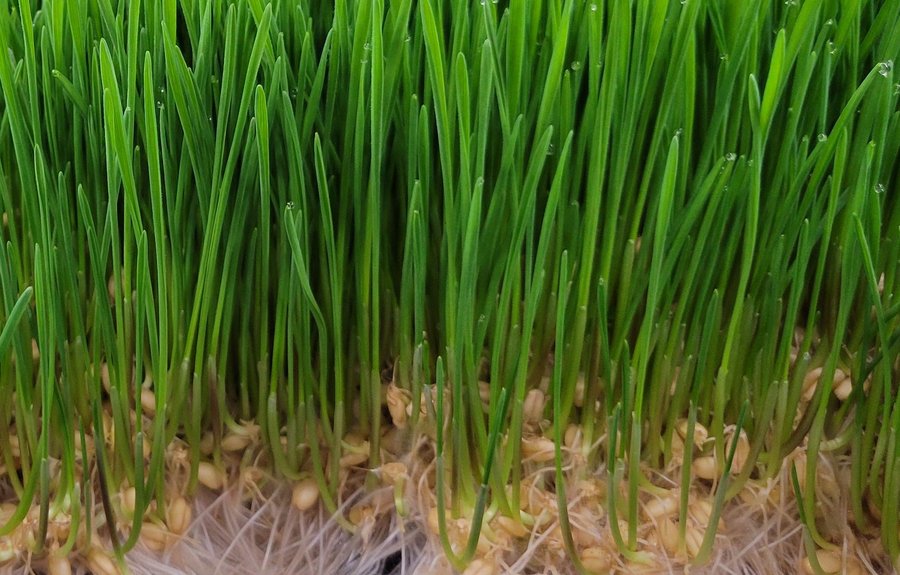
Hydroponic fodder is not regenerative on its own. How it can support a regenerative operation as supplemental feed while pasture recovers, and what to measure before relying on it.
Read the Article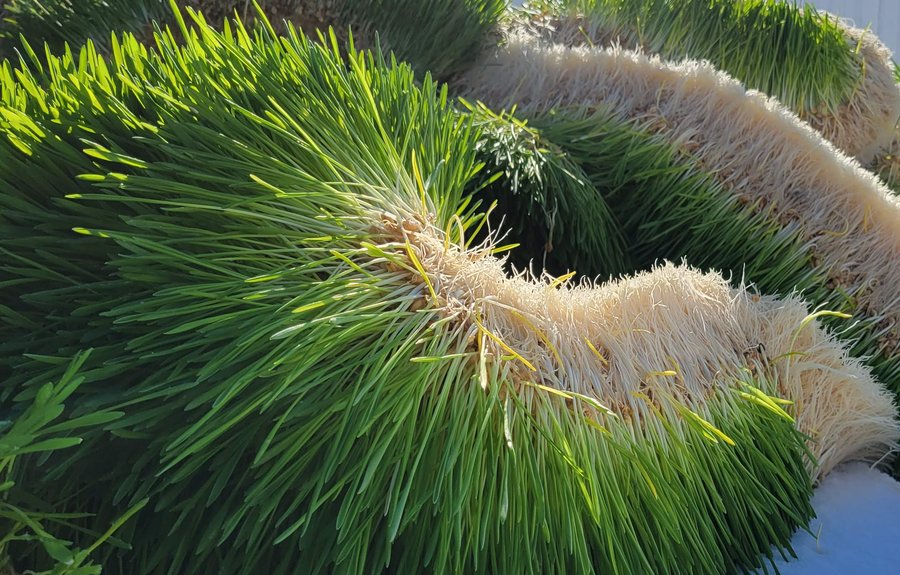
Fodder, forage and hay explained, plus how hydroponic barley fodder is grown in 6 to 8 days, what the research says is in it, and where it fits in a working ration.
Read the Article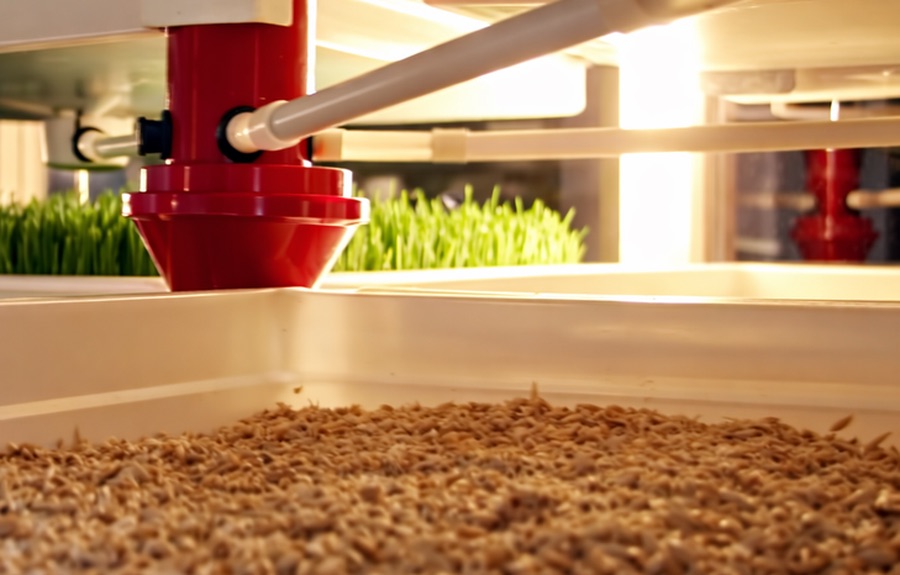
Fresh-weight yield hides dry-matter losses, and water figures depend on what you measure. How to judge fodder by the nutrition it delivers, the feed it displaces and what it really costs.
Read the Article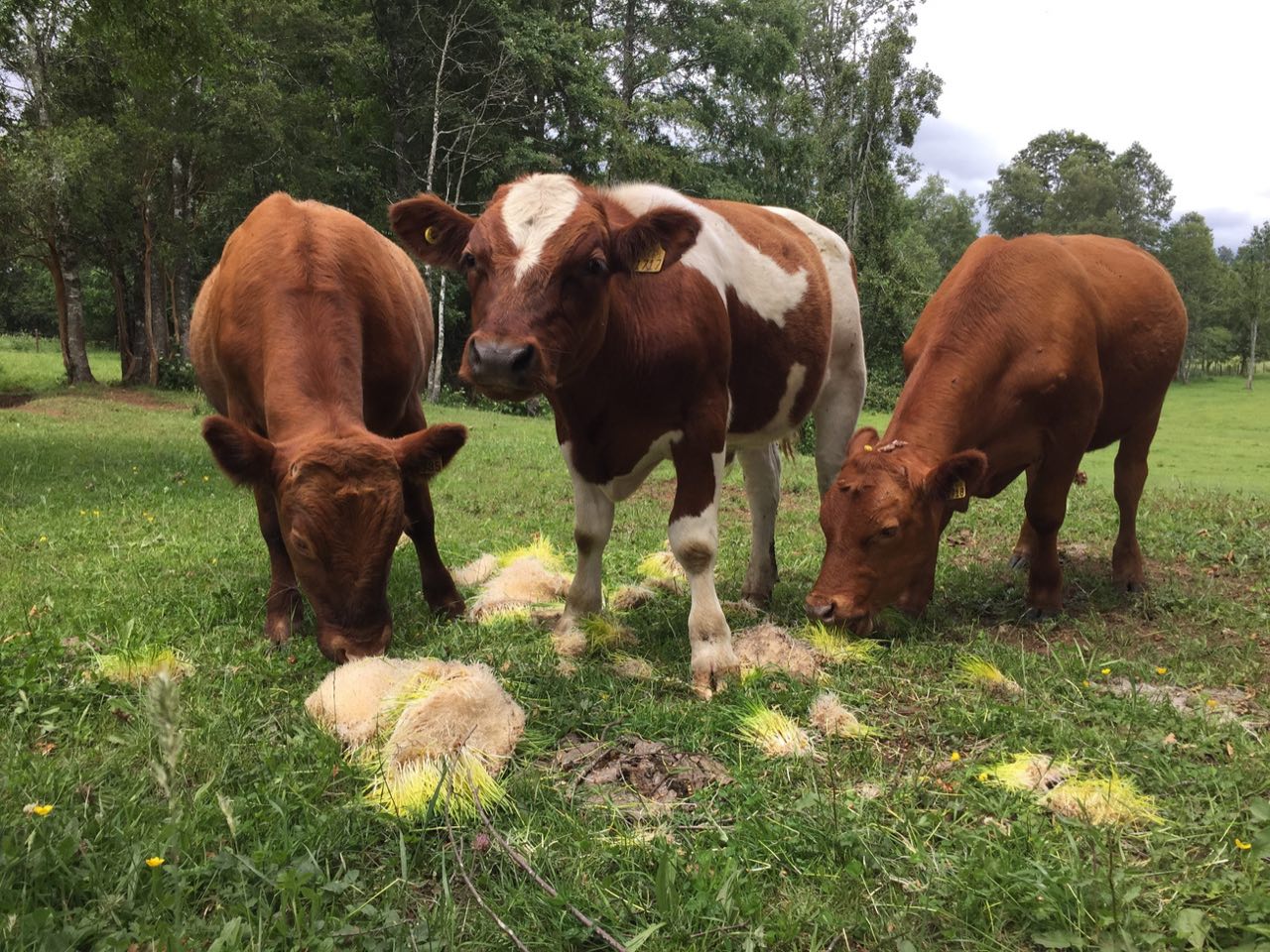
The U.S. herd is the smallest since 1951 and imports are rising. Why imported beef can ease supply but cannot rebuild the herd — and why beef security starts with feed security. Free 16-page research brief.
Read the Brief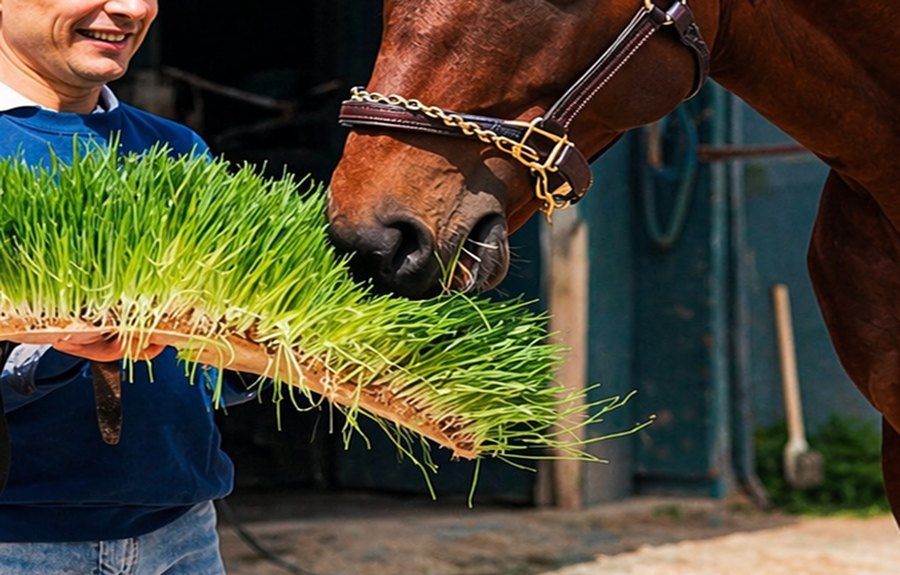
Record-low snowpack, $250-a-ton hay, and a 75-year low cattle herd. A 5,500-farmer McKinsey study explains what actually triggers a rancher to move from interested to installed.
Read the Article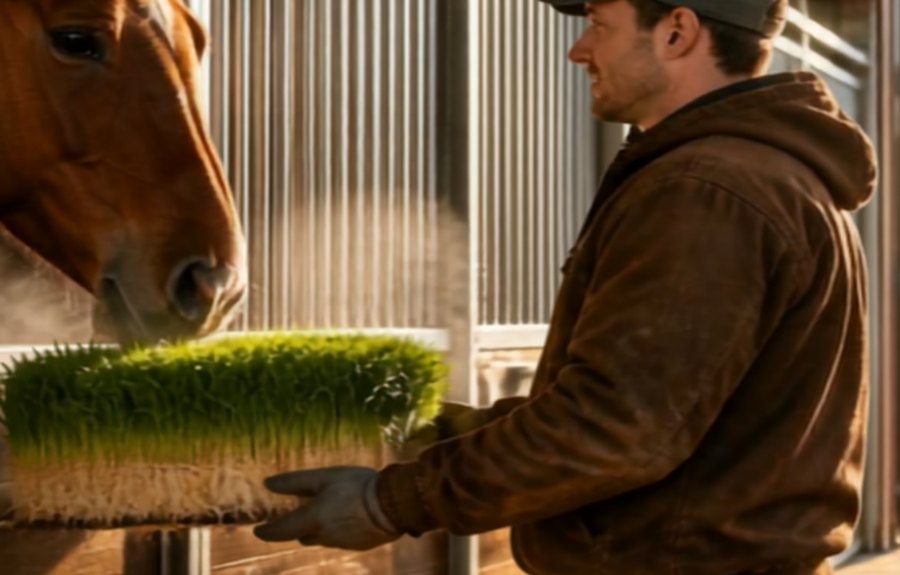
A single contaminated tray can cost a ranch a day's entire feed supply. Why fodder systems are structurally vulnerable to mold, and the five-layer protocol that controls it.
Read the Article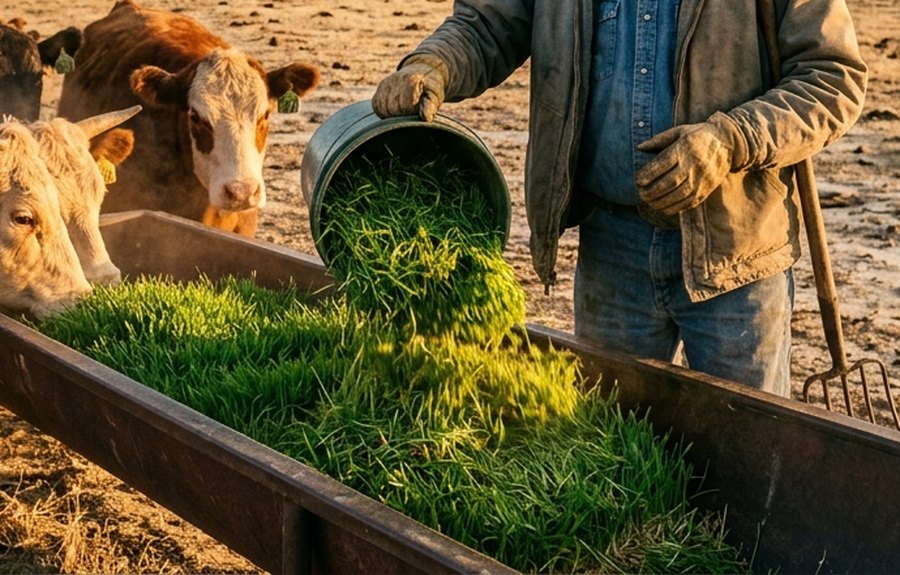
Ranchers convinced the technology works still stall at the installed cost. Why the price barrier hits hardest — and how USDA EQIP cost-share and FSA loans change the math.
Read the Article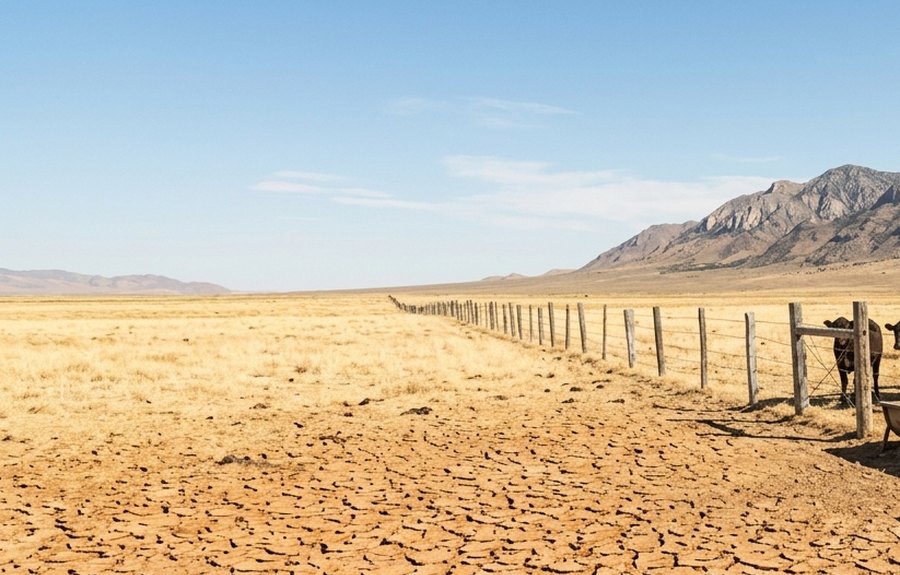
The smallest US cattle herd since 1951, hay at $300–400 a ton, and snowpack at 23% of median. Why feed supply broke down across the West — and why it is structural, not a bad season.
Read the Article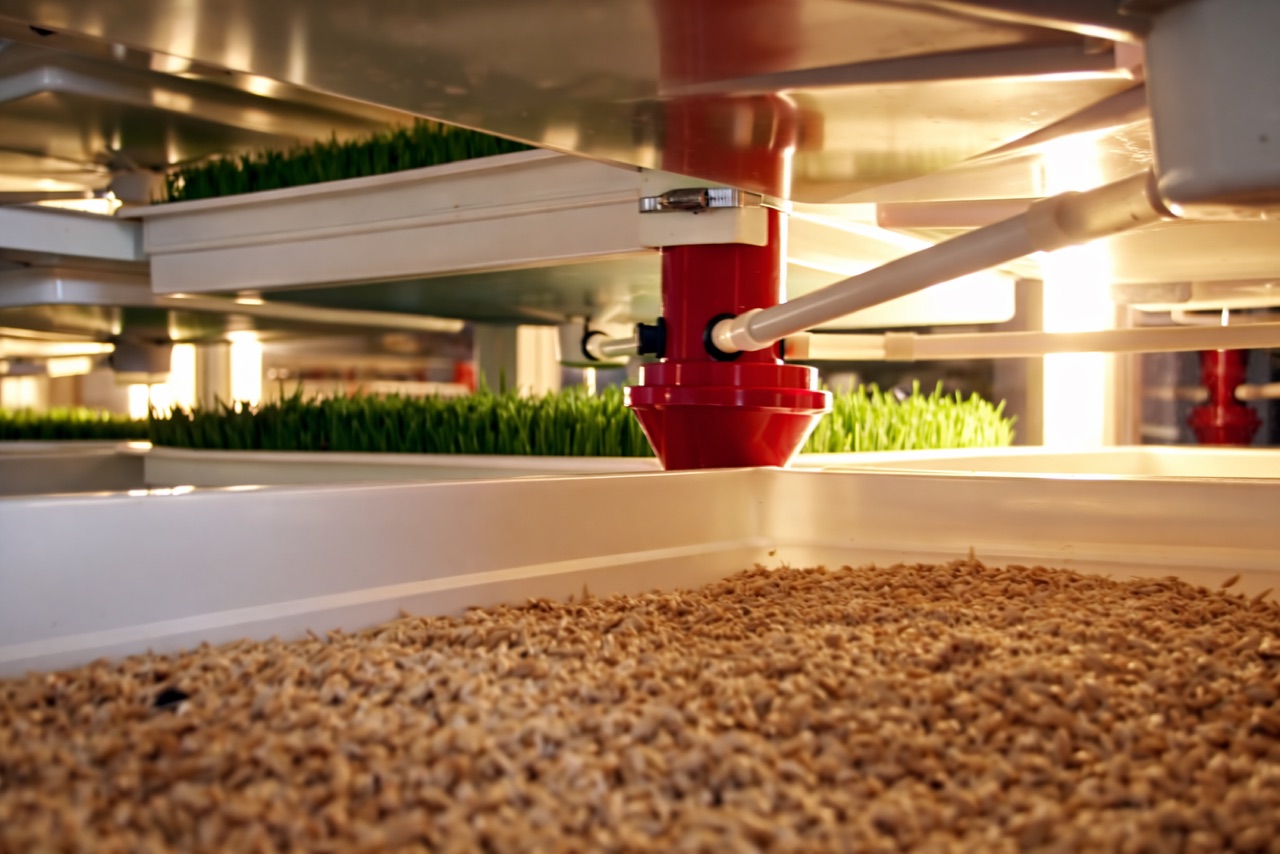
The biggest yield killer in fodder production is not your equipment. Germination rate is fixed before seed reaches a tray — plus the federal ban on treated seed and barley at record-low acreage. Free 10-page research brief.
Read the Brief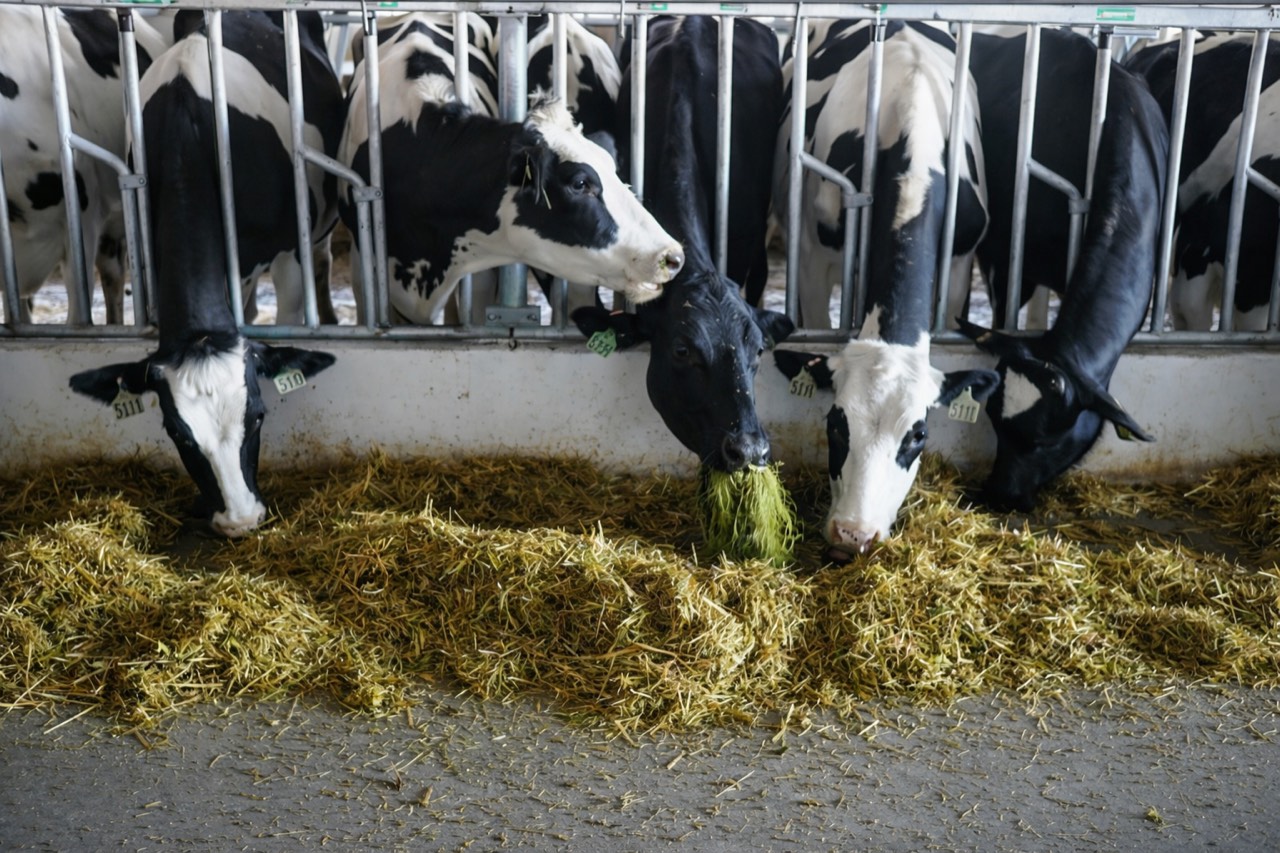
Nutritionists are right that fodder costs more per pound of dry matter than hay — we do not dispute the math. What changed is the research behind everything else. Free 10-page research brief.
Read the Brief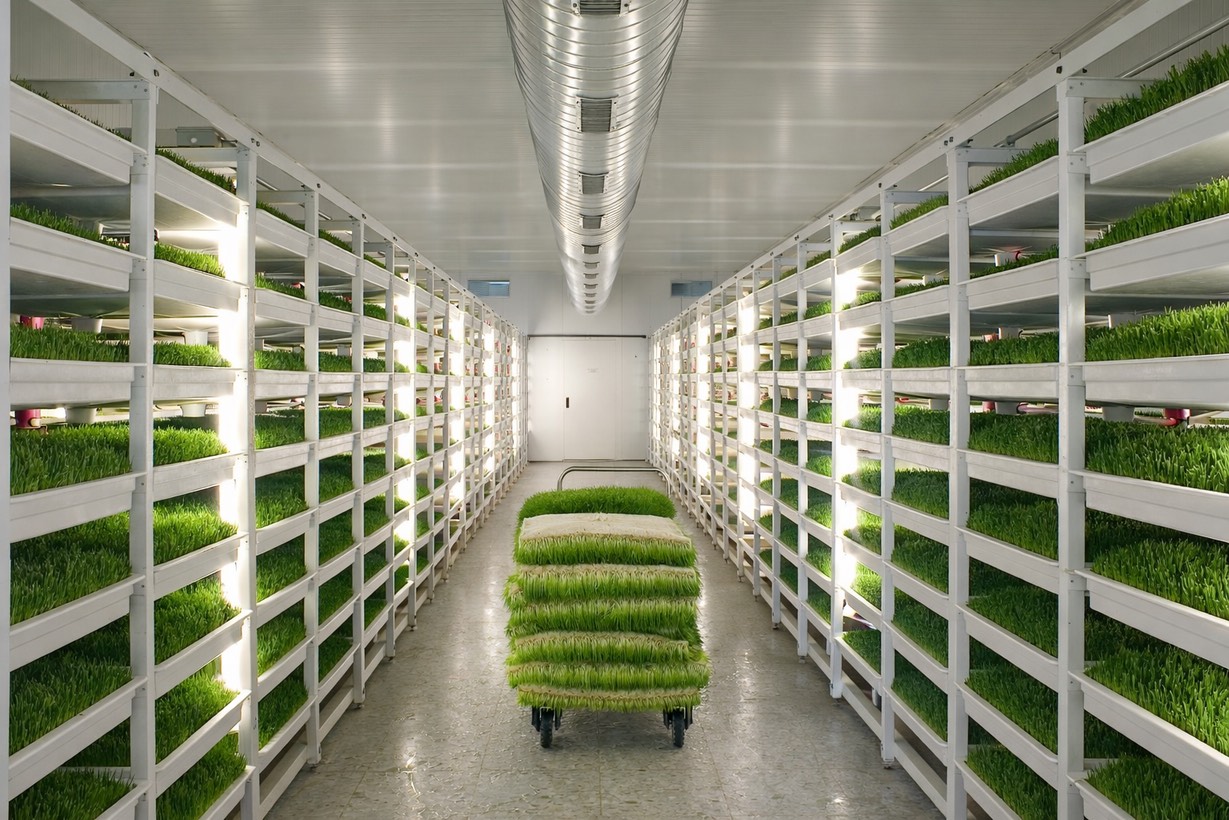
Climate control can consume 30 to 80 percent of operating cost — and 2026 utility rates are still climbing. What separates a facility at the low end of that range from one at the high end. Free 10-page research brief.
Read the Brief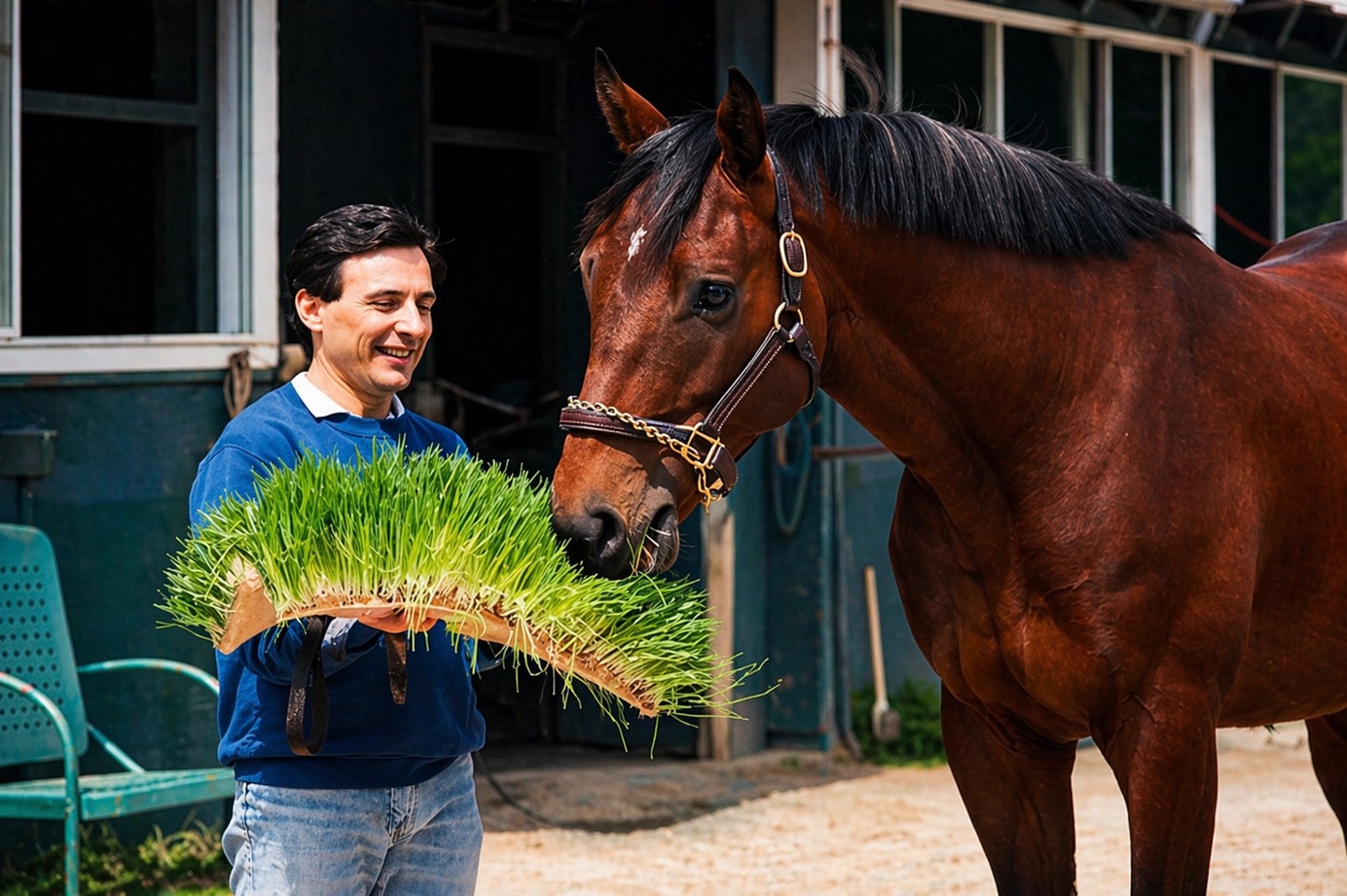
A global survey of 5,500 farmers shows adoption is blocked by cost, unclear ROI, and untrusted information — not doubt that the tech works. What moves a rancher from interested to installed. Free 12-page research brief.
Read the Brief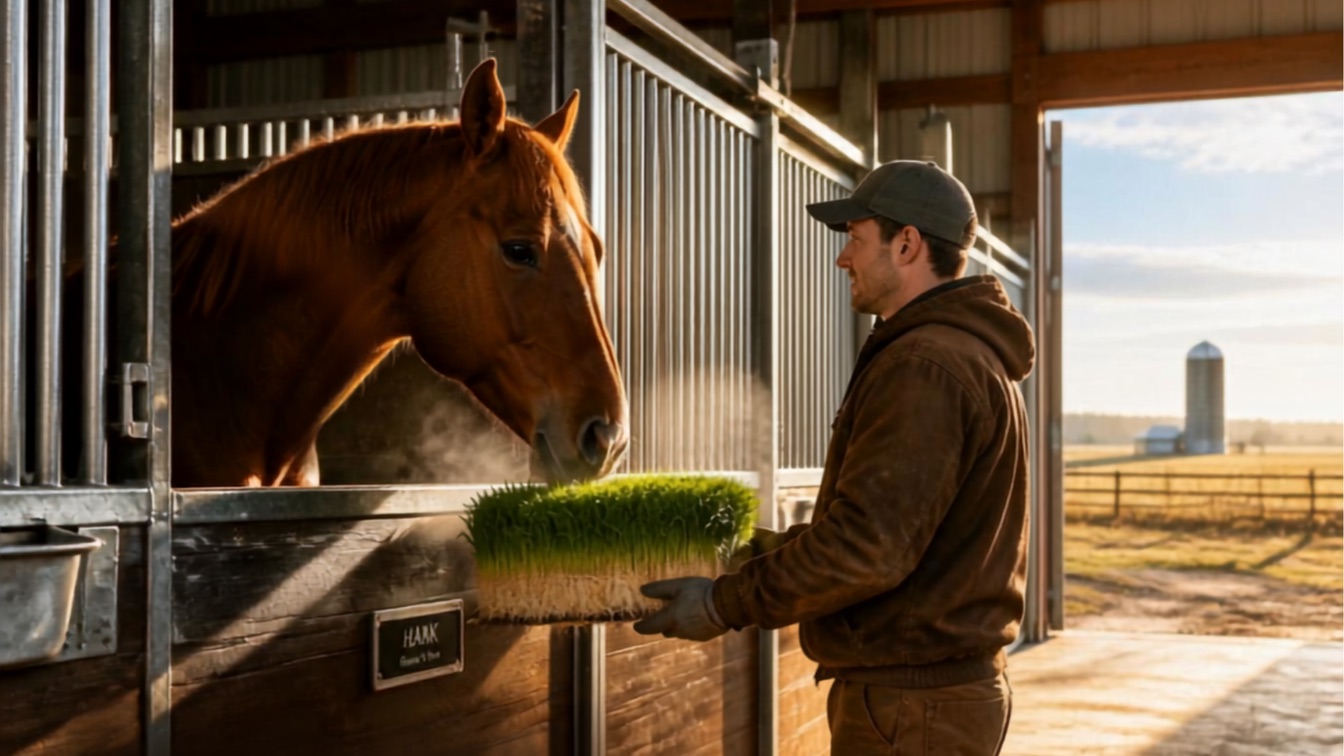
The warmth and moisture that sprout barley in seven days are exactly what fungi need. Why contamination is structural, what it costs in animal health, and the layered protocol that controls it. Free 10-page research brief.
Read the Brief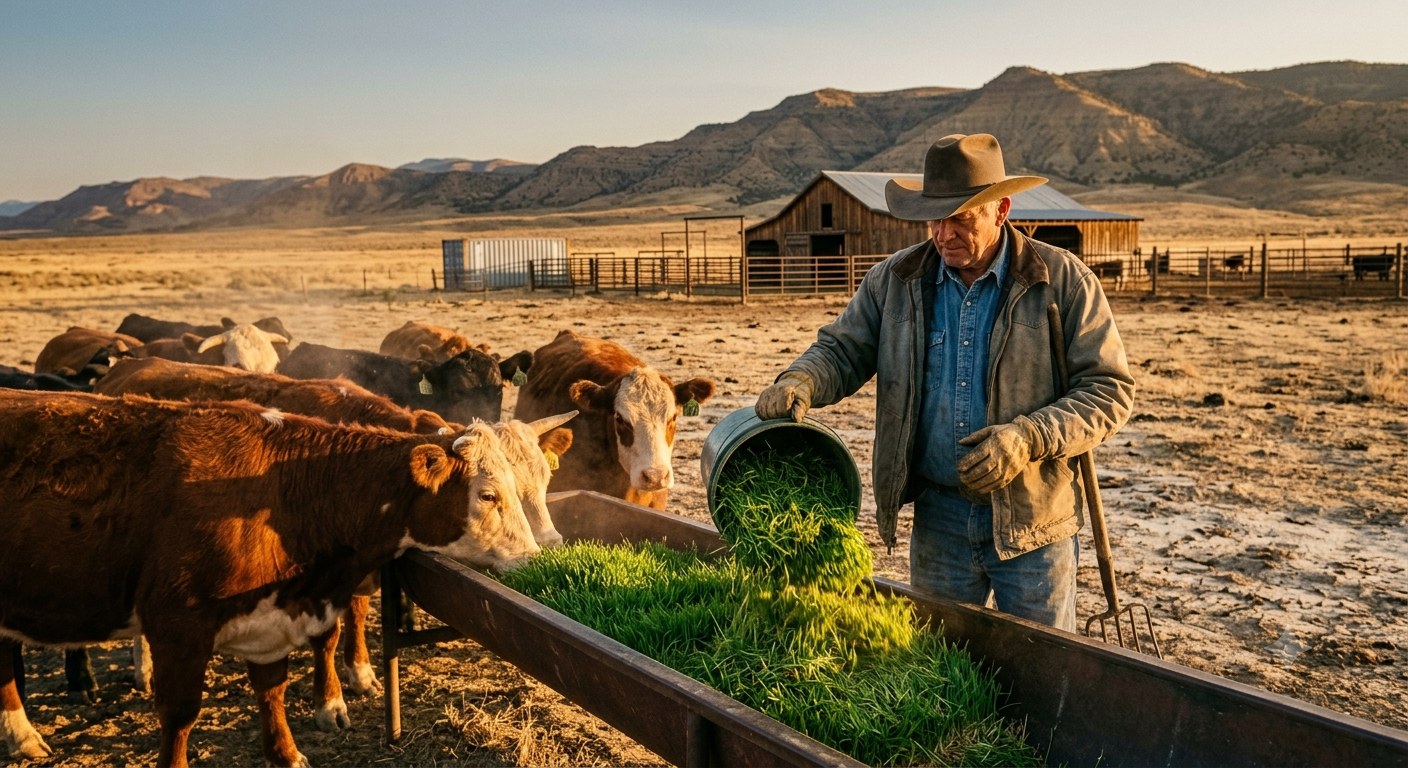
Installed systems run $70,000–$120,000 — the point where most interested ranchers stall. Total cost of ownership, the liquidity paradox, and USDA EQIP financing that closes the gap. Free 9-page research brief.
Read the Brief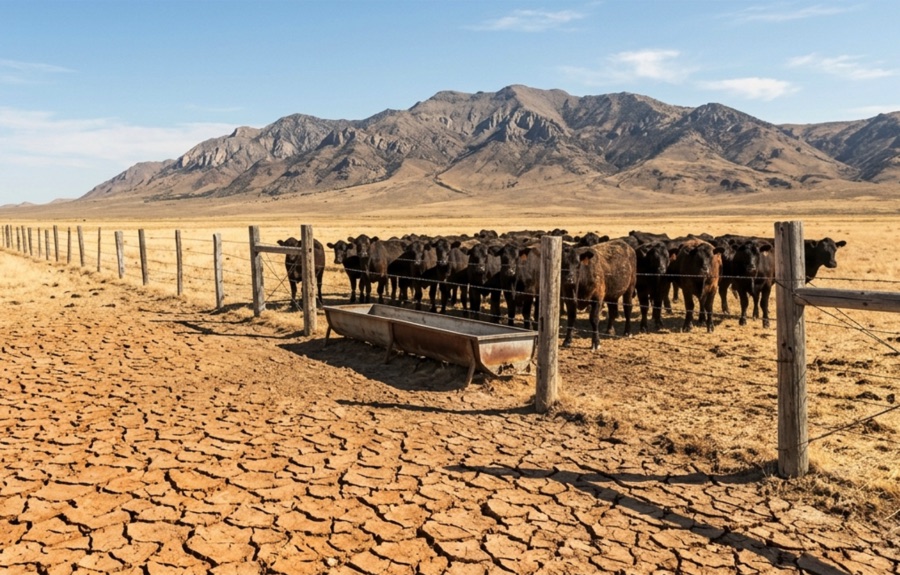
Drought, snowpack decline, and rising freight costs are turning hay sourcing into a structural risk on every ranch's balance sheet. Free 10-page research brief.
Read the Brief